On Monday, my landmark Save Our Sequoias Act ‌ ‌ ‌ ‌ ‌ ‌ ‌ ‌ ‌ ‌ ‌ ‌ ‌ ‌ ‌ ‌ ‌ ‌ ‌ ‌‌ ‌ ‌ ‌ ‌ ‌ ‌ ‌ ‌ ‌ ‌ ‌ ‌ ‌ ‌ ‌ ‌ ‌ ‌ ‌ ‌‌ ‌ ‌ ‌ ‌ ‌ ‌ ‌ ‌ ‌ ‌ ‌ ‌ ‌ ‌ ‌ ‌ ‌ ‌ ‌ ‌‌ ‌ ‌ ‌ ‌ ‌ ‌ ‌ ‌ ‌ ‌ ‌ ‌ ‌ ‌ ‌ ‌ ‌ ‌ ‌ ‌‌ ‌ ‌ ‌ ‌ ‌ ‌ ‌ ‌ ‌ ‌ ‌ ‌ ‌ ‌ ‌ ‌ ‌ ‌ ‌ ‌‌ ‌ ‌ ‌ ‌ ‌ ‌ ‌ ‌ ‌ ‌ ‌ ‌ ‌ ‌ ‌ ‌ ‌ ‌ ‌ ‌‌ ‌ ‌ ‌ ‌ ‌ ‌ ‌ ‌ ‌ ‌ ‌ ‌ ‌ ‌ ‌ ‌ ‌ ‌ ‌ ‌‌ ‌ ‌ ‌ ‌ ‌ ‌ ‌ ‌ ‌ ‌ ‌ ‌ ‌ ‌ ‌ ‌ ‌ ‌ ‌ ‌‌ ‌ ‌ ‌ ‌ ‌ ‌ ‌ ‌ ‌ ‌ ‌ ‌ ‌ ‌ ‌ ‌ ‌ ‌ ‌ ‌‌ ‌ ‌ ‌ ‌ ‌ ‌ ‌ ‌ ‌ ‌ ‌ ‌ ‌ ‌ ‌ ‌ ‌ ‌ ‌ ‌‌ ‌ ‌ ‌ ‌ ‌ ‌ ‌ ‌ ‌ ‌ ‌ ‌ ‌ ‌ ‌ ‌ ‌ ‌ ‌ ‌‌ ‌ ‌ ‌ ‌ ‌ ‌ ‌ ‌ ‌ ‌ ‌ ‌ ‌ ‌ ‌ ‌ ‌ ‌ ‌ ‌‌ ‌ ‌ ‌ ‌ ‌ ‌ ‌ ‌ ‌ ‌ ‌ ‌ ‌ ‌ ‌ ‌ ‌ ‌ ‌ ‌‌ ‌ ‌ ‌ ‌ ‌ ‌ ‌ ‌ ‌ ‌ ‌ ‌ ‌ ‌ ‌ ‌ ‌ ‌ ‌ ‌‌ ‌ ‌ ‌ ‌ ‌ ‌ ‌ ‌ ‌ ‌ ‌ ‌ ‌ ‌ ‌ ‌ ‌ ‌ ‌ ‌‌
Representative Scott Peters

Dear [salutation],


In this week's newsletter, some good news.


On Monday, my landmark Save Our Sequoias Act (SOS Act) passed the House. This legislation will protect California’s Giant Sequoia trees from increasingly severe and catastrophic wildfires so future generations can continue to enjoy these majestic trees for many years to come.  


This bill got its start on a plane back in 2022.  

 
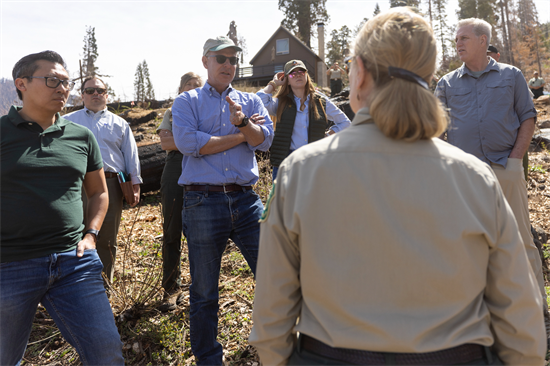
Rep. Peters speaks with experts at Sequoia National Forest
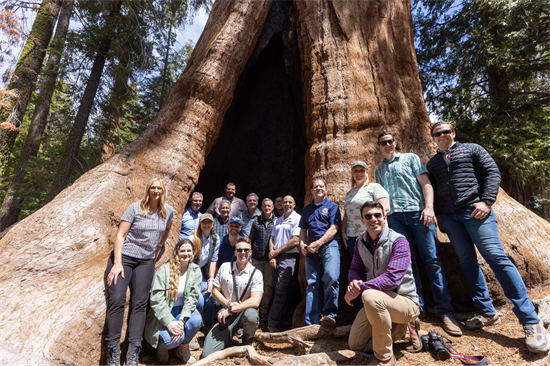
Rep. Peters and a group of people in front of a sequoia tree
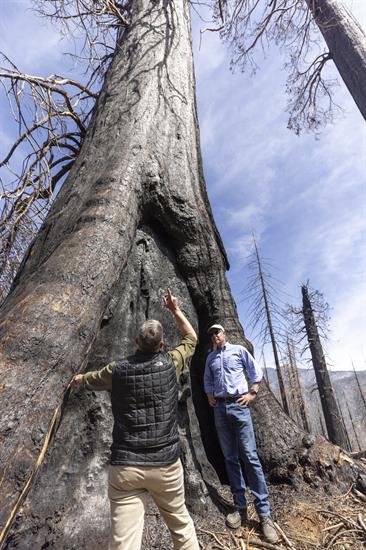
Rep. Peters and Rep. Westerman discuss sequoia trees in front of one
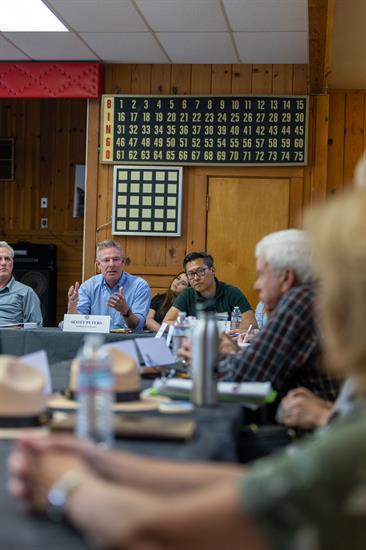
Rep. Peters speaks at a roundtable on sequoia trees


How SOS Act Came to be 


In 2022, a group of us were on our way back from a congressional delegation trip overseas when Rep. Bruce Westerman (AR-04) asked if he could sit down with me and tell me about threats to California’s iconic sequoia trees. After Rep. Westerman studied engineering at the University of Arkansas, he got a graduate degree from the Yale School of Forestry. He almost certainly knows more about forestry than anyone else in Congress.   


He told me that until 2017, we had not lost a Giant Sequoia to fire for 1,200 years. The trees have thick and spongy bark and tall branches that make them highly resilient to fire, insects, and disease.  


But in recent years, poor forest management and oversuppression of natural fire have posed a new threat. Fir and pine trees – which used to die off and be removed after natural, less severe fires – have grown up next to the sequoias and have conveyed flames into the tree canopy, where sequoias have no protection. In the past decade, we have lost 20 percent of all Giant Sequoias in this way. 


I was shocked to hear this, and I asked Rep. Westerman if I could work with him to save these natural treasures.   


In May of 2022, we led a bipartisan delegation to visit Sequoia National Park and learn more about how wildfires and unnatural conditions threaten the future of sequoia trees. Together, with that group, we then wrote the Save Our Sequoias Act. 


The Solution 


To save the trees, we needed to restore the conditions that would have existed had natural fire not been prevented over the past century. That meant removing the extra fuel in the sixty-plus groves where the sequoias grow. Congress needs to provide direction, permission and money to do this work, and we need to get it done fast, before we lose more trees.   


Those are the basics of the Save our Sequoias Act.   

  1. We clear the extra fuel from the groves to prevent more losses.   

  2. We provide for expedited environmental review; the trees don’t have time for us to do a multi-year study of each grove before acting. The SOS Act declares an emergency to codify existing emergency procedures, streamline environmental reviews, and maintain robust scientific analysis to accelerate necessary forest treatments.  

  3. We strengthen coordination between those involved with the sequoias -- federal, state, tribal, and local land managers -- through shared stewardship agreements and the creation of the Giant Sequoia Lands Coalition, a partnership among current Giant Sequoia managers. 

  4. We track our progress through a Giant Sequoia Health and Resiliency Assessment to prioritize forest management projects, track progress, and ensure ongoing study of the trees' health and resiliency over time.  

  5. We replant to make up for the trees we’ve already lost. The bill establishes a comprehensive reforestation strategy to regenerate Giant Sequoias in groves destroyed by recent wildfires, helping to ensure the long-term survival of these majestic trees.   


No Time to Wait  


The Save Our Sequoias Act has been supported by many environmental groups since its original introduction in 2022. These include Save The Redwoods League, the Tule River Tribe, the National Congress of American Indians, the Property and Environment Research Center, Society of American Foresters, Congressional Sportsmen’s Foundation, the National Association of Counties, and over 80 other organizations.   


Not every group always understood its importance, though. The Sierra Club and some others expressed concerns about reforming our environmental review process and other outdated regulations. The problem is that some of those environmental laws were written decades ago when we needed to stop bad projects. Now, we need to move good projects forward to meet today’s goals and challenges. In this case, the delay from environmental study would ironically increase environmental risks – the Giant Sequoias need action now.  


Taking action to save our sequoia trees doesn't mean undermining crucial  environmental protections. It means making sure paperwork doesn’t get in the way of science-based solutions to protect these ancient trees. Right now, it can take up to a decade to complete an environmental assessment on just one sequoia grove. We don’t have that kind of time. My bill accelerates forest restoration, without compromising on the standards and regulations that keep our sequoia groves healthy and safe.  


The Save Our Sequoias Act now moves to the Senate for consideration. California’s Giant Sequoias are the largest trees on Earth and some of the oldest living things on the planet. I’ll continue to push to get this important bill passed into law so we can continue to enjoy their cultural, environmental, and recreational benefits for generations to come.   


Scott’s Reads 


  • My 2022 op-ed on this topic provides even more detail on how the SOS Act would address this crisis. 


Please forward this email or encourage others to sign up to receive these updates here. And if there’s an issue or question you’d like me to address in an upcoming newsletter, send me a note here. 


Thanks, and take care.    

Scott Peters Signature
 
Scott H. Peters
Member of Congress
 

Stay Updated

 
facebook icon  twitter icon  instagram icon  youtube icon  bluesky icon
 
Unsubscribe

Privacy

Click here to open this e-mail in its own browser window